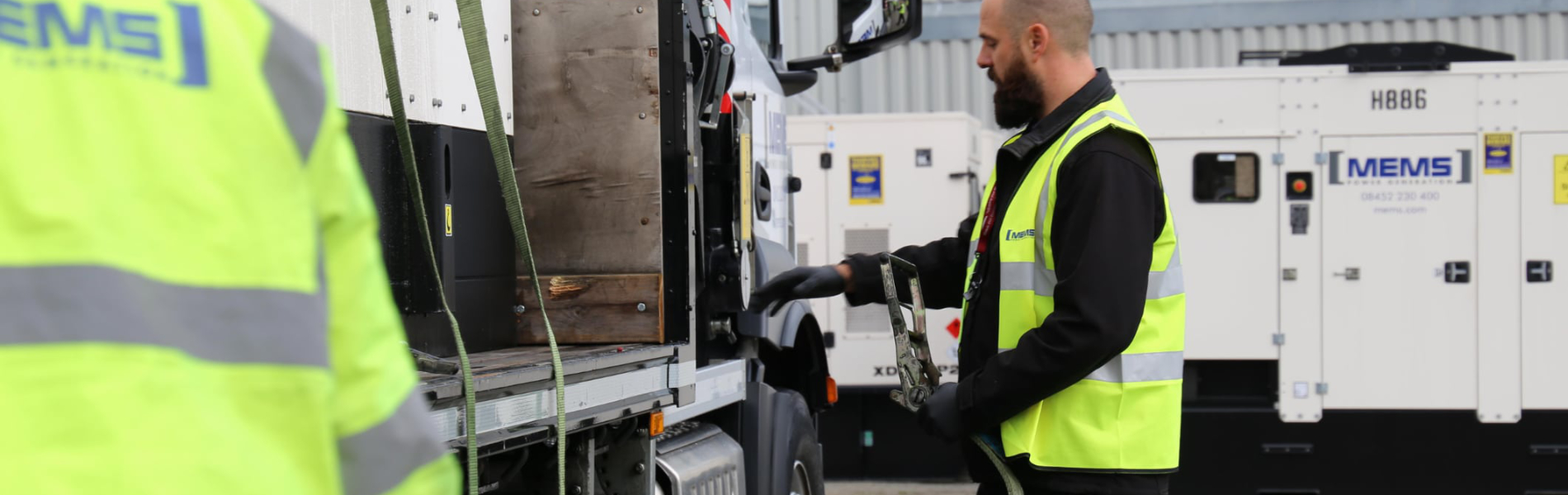



MEMS reduces the environmental impact of temporary power through low-emission equipment, renewable fuel options and battery storage, supported by live monitoring and responsible operations.
Cleaner power. Measured progress. Responsible delivery.
MEMS integrates environmental responsibility into the way we plan, deliver and manage temporary power.
We focus on practical action that reduces fuel use, emissions, noise, waste and transport impact while protecting reliable power for critical infrastructure.
Our approach covers the equipment we deploy, the fuels we offer, the operational data we use and the way we manage our own facilities, fleet and supply chain.
Evidence Behind Our Approach
SECOND YEARAchilles Carbon Reduce certified |
ISO 14001Environmental management system |
30+EV charging points at MEMS headquarter |
£6 MILLIONPurpose-built sustainable headquarters |
Sustainability Built Into Managed Temporary Power
Every temporary power requirement is different. Load profile, operating hours, site access, local air-quality requirements, noise limits and fuel availability all affect the most suitable approach.
MEMS reviews these factors before selecting the equipment and managed services for each project.
Where site conditions support them, lower-emission fuels, Stage V generators, battery energy storage and demand-led operation help reduce generator running hours, fuel use, regulated pollutants or noise.
Environmental performance should always be judged against the site requirement and a defined baseline. No single technology delivers the best result for every project.

Lower-Emission Temporary Power Options
MEMS provides a range of Cleaner Options for projects where environmental performance forms part of the temporary power requirement.

HVO Fuel
Hydrotreated Vegetable Oil offers a renewable alternative to fossil diesel. Subject to fuel source and calculation methodology, HVO offers up to 90% lower lifecycle greenhouse gas emissions than fossil diesel.

Stage V Generator Hire
Our fleet of Stage V generators delivers reliable temporary power with advanced emissions control, helping reduce regulated pollutants and support cleaner air on site.

Battery Energy Storage
Battery energy storage systems support generators during low-load periods, changes in demand and peak requirements. Where the load profile is suitable, a hybrid generator and battery arrangement reduces generator running hours, fuel use, emissions and site noise.

Measured and Independently
Verified Progress
MEMS holds Achilles Carbon Reduce certification for the second consecutive year.
The certification independently verifies our organisational carbon footprint and recognises continued progress in measuring, managing and reducing greenhouse gas emissions.
Our ISO 14001 environmental management system provides a structured framework for managing environmental responsibilities, setting objectives and reviewing performance. These standards support a long-term programme of measurement and improvement. They also provide stronger evidence than broad environmental commitments without defined accountability.
Reducing the Impact of Our Operations
Our sustainability responsibilities extend beyond the equipment operating on customer sites.

Facilities
MEMS headquarters incorporates significant solar photovoltaic arrays, energy-saving systems, sustainable construction materials and solar shading to improve thermal performance.
Advanced water management helps reduce resource wastage and mitigate flood risk. Dedicated EV charging infrastructure supports the transition towards lower-emission transport.

Fleet and Logistics
MEMS uses route planning, driver training and modern vehicles to improve transport efficiency.
Wag and Drag combinations allow more equipment to move in fewer journeys where the delivery requirement supports this approach.

Equipment, Waste and Recycling
We refurbish equipment where appropriate to extend asset life and reduce unnecessary replacement.
Used oil, coolant and other operational materials are managed through controlled waste processes and appropriate recycling partners
Supporting UK Nature Recovery
MEMS supports the EBN Nature Guardians initiative as part of our wider environmental commitment.
The programme helps businesses support UK-based nature restoration projects and nature-based solutions. Funding supports landowners and project teams delivering biodiversity improvements across the UK.
Our involvement reflects a broader view of sustainability. Carbon management remains important, but environmental responsibility also includes biodiversity, habitat restoration and the long-term health of the natural environment.

Assessing Future Power Technologies
MEMS continues to assess technologies with the potential to reduce the environmental impact of temporary power.
This work includes hydrogen fuel cells, hydrogen combustion, synthetic fuels, solar integration and further battery applications.
Any future deployment must undergo project-specific assessment covering lifecycle emissions, local air quality, safety, reliability and operational performance.
Hydrogen fuel cells |
Hydrogen combustion |
Synthetic fuels |
Solar integration |
Battery applications |
Lifecycle assessment |