
Temporary power for government facilities, essential public services and critical infrastructure across the UK.
MEMS provides fully managed government temporary power for planned requirements, contingency arrangements and emergency response.
We bring together power generation, temporary high-voltage equipment, battery storage, logistics, fuel management, live monitoring and 24/7 operational support. Each temporary power solution is planned around your critical loads, site requirements, operating period and resilience needs.
24/7 staffed control room | Up to 25 MW + | 1 – 33 kV | UK-wide delivery

Critical power for government operations
Government facilities depend on reliable power for security, communications, public access, operational systems and time-critical services. Planned electrical work or an unexpected supply failure places those functions at risk.
MEMS provides planned and emergency temporary power built around the operational requirements of each site. We coordinate equipment, transport, installation, fuel, monitoring and operational support through one managed service.
Each project starts with the assessing load, connection arrangement, operating period and resilience requirement. Site access, security controls, cable routes, space, fuel, noise and emissions also shape the final system.
From planned shutdowns to unexpected power failures, MEMS helps government and critical infrastructure sites maintain essential operations.
Readiness and operational resilience
Effective emergency power planning begins before an outage occurs. A site survey records the critical loads, connection points, cable routes, equipment positions, delivery access, fuel arrangements and responsibilities for switching and energisation.
MEMS uses this information to plan temporary power, distribution, standby capacity, temporary high-voltage equipment and operational support. A disaster recovery plan documents the agreed response so facilities and resilience teams have a defined route from incident notification to safe mobilisation.
Restricted sites also need early agreement on personnel details, vehicles, delivery windows, escorts, inspections and inductions. Where formal clearances or specific permissions apply, MEMS confirms the proposed delivery arrangement against the contract requirements.
This approach supports wider public-sector resilience and continuity planning.
Lower-emission and hybrid power
Government facilities often balance operational resilience with air quality, noise, fuel and carbon reduction objectives. MEMS reviews the load profile, running hours and site constraints before selecting the equipment and operating method.
Through MEMS Cleaner Options, we provide lower-emission temporary power options including Stage V generators, HVO fuel, battery energy storage and hybrid generator-battery systems. Hybrid operation can reduce generator running hours, fuel consumption, emissions and noise where the load profile supports it. Project outcomes depend on the load, duty cycle, equipment, controls, fuel supply and operating period.


What happens when power fails across a government site?
A power failure across a government facilitie affects more than the electrical supply. It disrupts access systems, communications, digital services, security controls, staff activity and services relied on by the public.
The operational impact depends on the site and duration of the interruption. MEMS supports contingency arrangements and emergency requirements with temporary power built around the loads and services the site must protect.
24/7 CONTROL ROOM AND LIVE MONITORING
MEMS operates a fully staffed control room 24 hours a day, 365 days a year. Our team receives emergency enquiries, reviews active hires and coordinates engineers, transport and fuel support.
MEMS Connect monitors generator location, fuel level, load, performance and alerts. Across the MEMS fleet, the platform processes approximately 403 million data points each day. This gives the control room live operational visibility and supports earlier action when an alert or changing fuel level needs attention.
Telemetry supports operational oversight alongside direct site communication and the responsibilities agreed for the project.
FUEL MANAGEMENT AND REFUELLING
Fuel planning affects runtime, delivery access, storage and operational risk. MEMS develops the fuel plan around the generator load, expected running hours, tank capacity, delivery restrictions and project duration.
MEMS Connect fuel-level data helps the control room coordinate replenishment. Our in-house fuel team coordinates scheduled deliveries and urgent requirements across active hires. All MEMS generators are HVO compatible, and HVO fuel is available as part of our managed fuel service.

Supporting government facilities
and critical public infrastructure
MEMS supports organisations responsible for government buildings, secure estates and essential public services across the UK.
- Central government departments, agencies and public administration buildings.
- Local authority offices, depots and operational facilities.
- Police, fire, ambulance and emergency-service estates.
- Courts, prisons and justice-sector facilities.
- Defence estates and defence supply-chain facilities.
- Facilities management contracts covering government and public-sector estates.
CRITICAL POWER IN PRACTICE:
THE TOWER OF LONDON
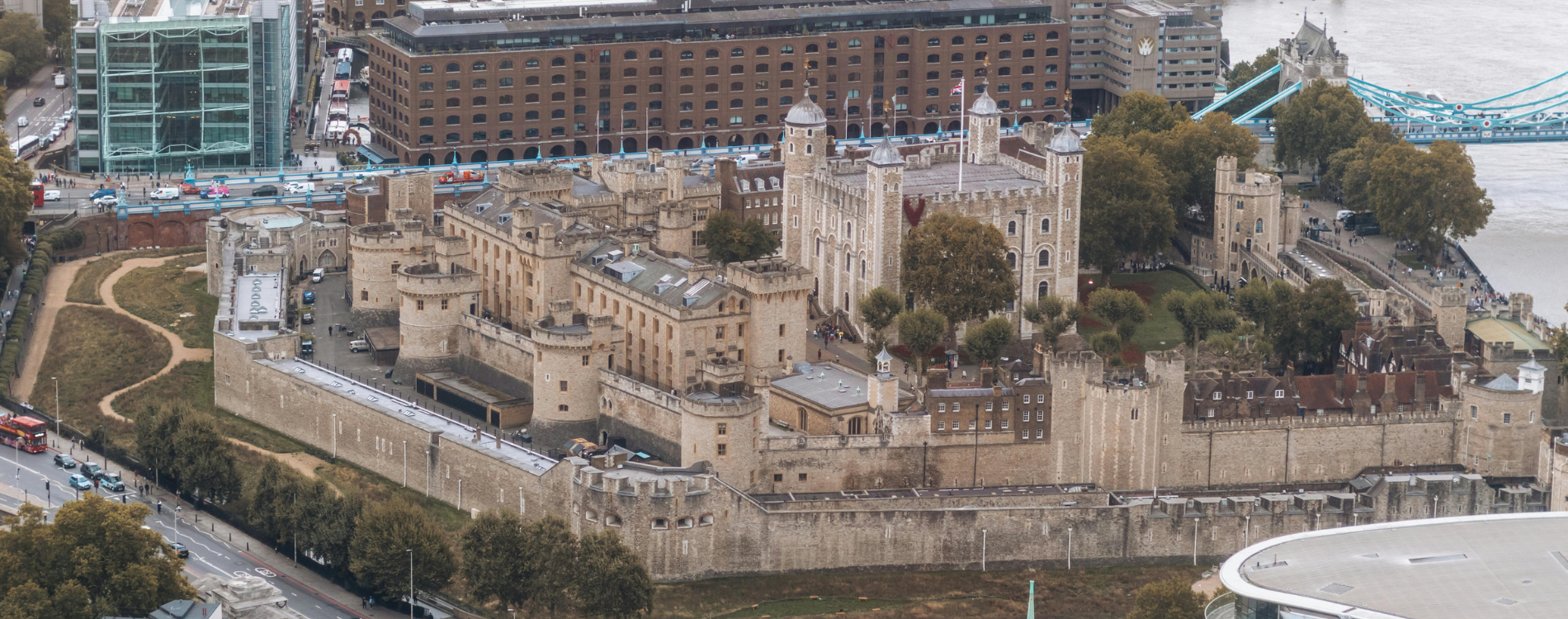
When a faulty switchboard threatened operations at the Tower of London, MEMS provided emergency temporary power to maintain the site’s essential services.
Our team deployed a 300 kVA generator, fuel storage and supporting equipment, providing a fully managed temporary power solution for more than 12 weeks.
Throughout the project, MEMS maintained continuous power with no interruptions, supported by remote monitoring, fuel management and operational support.

Key FAQs for Government & Critical Infrastructure Power
What lower-emission temporary power options are available for government sites?
MEMS Cleaner Options include Stage V generators, HVO fuel, battery energy storage systems (BESS) and hybrid generator-battery systems. Depending on the site and load profile, these options can reduce generator running hours, fuel consumption, emissions and noise. The right approach depends on the load, duty cycle, operating period and site requirements.
What generator capacities and voltage levels can MEMS provide for critical infrastructure?
MEMS provides generator hire from 30 kVA to 2,000 kVA for single power nodes, with multi-set packages capable of exceeding 25 MW. We also provide temporary high-voltage equipment from 1 kV to 33 kV, supporting larger and more complex temporary power requirements.
How does MEMS monitor temporary power during planned outages and contingency hires?
MEMS Connect provides live monitoring of generator location, fuel level, load, performance and alerts. Our 24/7 staffed control room uses this information to maintain operational visibility across active hires and identify changing fuel levels, performance issues and alerts that need attention.
Can MEMS help plan temporary power before a planned outage or emergency?
Yes. MEMS carries out site surveys to establish critical loads, connection points, cable routes, equipment locations, delivery access and fuel requirements. We use this information to plan the temporary power arrangement and, where required, develop a disaster recovery plan that defines the agreed response before an outage or emergency occurs.
SUPPORTING YOUR TEMPORARY POWER REQUIREMENT
- Emergency Generator Hire | Rapid temporary power response when an unexpected supply failure puts essential operations at risk.
- Disaster Recovery Planning | Pre-agreed temporary power arrangements for outages and operational disruption.
- Generator Rental | Planned temporary power for shutdowns, maintenance, upgrades and longer-term requirements.
- HV Solutions | Temporary high-voltage equipment from 1 kV to 33 kV for suitable complex power requirements.
- Cleaner Options | Stage V generators, HVO, battery storage and hybrid temporary power options.
- Fuel Management | Managed fuel planning, delivery and replenishment for temporary power projects.