

Why Knowing What Size Generator You Need Matters
Generator sizing means matching the generator’s output to the actual electrical demand of the site. Choosing the right capacity requires more than adding up equipment ratings. Load profile, starting currents, voltage, phase, operating pattern and site requirements all affect the final specification.
An oversized generator can run inefficiently and use more fuel than necessary. An undersized generator may struggle to support peak demand or equipment starting loads. Accurate sizing helps create a temporary power solution that is better matched to the site’s operational requirements.
MEMS assesses the load, operating conditions and project requirements before selecting the appropriate generator configuration. For more complex or variable loads, this may also involve multiple generators, battery energy storage or load management rather than relying on a single oversized set.
Load requirements can change over time. A generator sized for today’s demand may not be the right configuration for future operating conditions, equipment changes or project phases.
Key Benefits of Correct Generator Sizing
Improved Operating Efficiency
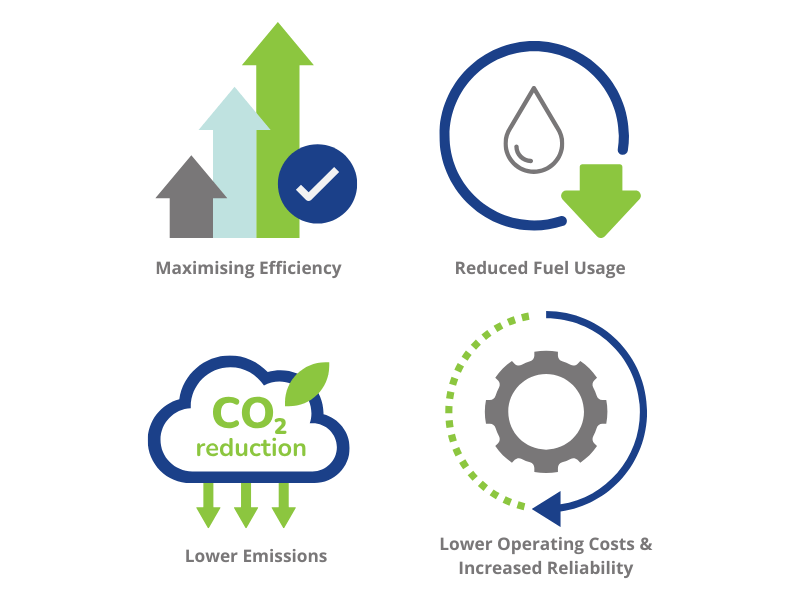
A generator that is appropriately sized for the site’s load is better matched to the way the equipment is expected to operate. Oversizing can result in inefficient running, particularly where the generator spends long periods at low load.
Reduced Fuel Consumption
Matching generator capacity more closely to demand can reduce unnecessary fuel use compared with operating equipment that is significantly oversized for the required load.
Lower Emissions
Reducing unnecessary generator running and fuel consumption can also reduce associated emissions. The actual impact depends on the generator, fuel, load profile and operating conditions.
Better Cost Control
Correct sizing helps avoid unnecessary capacity and fuel use while ensuring the system is capable of supporting the required load. This can improve overall project efficiency and help control operating costs.
Common Mistakes When Deciding What Size Generator You Need
Generator sizing errors usually come from focusing only on the headline load figure. A generator that is too small may struggle with peak demand or starting currents, while an oversized generator may spend long periods operating inefficiently at low load.
Other common mistakes include overlooking motor starting requirements, ignoring changes in load across the day, failing to account for voltage and phase, and selecting equipment without considering site access, connection arrangements or future demand.

Industries That Benefit from Correct Generator Sizing
Hospitals & Healthcare
Healthcare sites often have critical loads, sensitive equipment and complex operating requirements. Correct generator sizing helps ensure the temporary power configuration is matched to the site’s load, starting currents, connection arrangements and operating conditions.
Utilities & Infrastructure
Utilities and infrastructure projects can involve changing loads, extended operating periods and critical equipment. Accurate sizing helps avoid unnecessary capacity while ensuring the system is specified around the site’s actual power requirements.
Construction & Temporary Sites
Construction sites often experience changing power demand as different project phases and equipment come online. Reviewing the load profile helps determine whether a single generator, multiple generators or a hybrid configuration is the most appropriate solution.
Real-World Results of Correct Generator Sizing
Correct generator sizing is most valuable when it is based on real operating data rather than assumptions. MEMS has used load profiling and monitored site demand to identify where temporary power systems can be better matched to actual requirements.
In one project, load analysis showed that the original generator configuration was larger than the site required for much of the operating period. The revised solution combined generator capacity with battery energy storage, reducing generator running time and fuel consumption. View our case studies for more examples of temporary power projects delivered by MEMS.
How MEMS Sizes a Temporary Power Solution
Generator sizing starts with understanding how the site actually uses power. MEMS reviews factors including connected load, peak demand, starting currents, voltage, phase, operating hours and changes in demand over time.
Site conditions are also considered, including access, connection arrangements, cable routes, fuel requirements and operating constraints. The final configuration may involve a single generator, multiple generators or a hybrid solution depending on the load profile and project requirements.
Where appropriate, remote monitoring and telemetry can provide ongoing visibility of generator operation and site demand during the hire period.
Generator Sizing, Fuel Use and Emissions
Correct sizing can help reduce unnecessary generator running and fuel consumption. Where a generator is significantly oversized for the required load, it may spend long periods operating inefficiently.
Generator sizing is therefore one part of a wider temporary power strategy that can also include Stage V generators, HVO and battery energy storage. The most appropriate configuration depends on the site’s load profile, operating conditions and project requirements.
Why Choose MEMS for Generator Sizing
MEMS assesses generator requirements against the site’s actual load, peak demand, starting currents, operating pattern and project conditions. This helps ensure the temporary power configuration is matched to the way the site is expected to operate.
Our support also extends beyond equipment selection. MEMS provides generator hire, logistics, installation, fuel management, remote monitoring and 24/7 control room support as part of a fully managed temporary power service.
A Managed Approach to Temporary Power
Generator sizing is one part of the wider temporary power plan. MEMS considers the equipment, connection arrangements, site access, fuel requirements, operating conditions and monitoring needs before defining the final configuration.
Depending on the project, this may involve a single generator, multiple generators or a hybrid solution using battery energy storage alongside generation.
Understanding kW vs kVA in Generator Sizing
When sizing a generator, it is important to understand the difference between kW and kVA. kW measures real power used by equipment, while kVA measures apparent power and also takes power factor into account.
Generator Sizing Guide FAQS
How can I tell if my generator is oversized or undersized?
Signs include inefficiency, frequent breakdowns, or higher-than-expected fuel usage. A load analysis can clarify sizing issues.
Can right-sizing help with sustainability goals?
Absolutely. Right-sizing reduces emissions and fuel waste, making operations more environmentally responsible.
Is right-sizing relevant for temporary power solutions?
Yes, especially in industries like construction, healthcare, and utilities, where power needs often fluctuate.
How does MEMS Power Generation stand out in right-sizing power solutions?
Our expertise, innovative technology, and focus on sustainability allow us to provide customised power systems for every client.
Need Help Choosing the Right Generator Size?
Generator sizing depends on more than the headline load figure. MEMS considers factors including peak demand, starting currents, voltage, phase, operating pattern and site conditions before recommending a temporary power configuration.
If you need help assessing your generator requirement, contact the MEMS team to discuss your site and temporary power requirements.